



Alaska, “The Last Frontier,” is experiencing a massive silver tsunami: the population of residents over 65 has more than doubled since 2010. While the rugged wilderness and sense of independence are the main draws, the financial landscape of northern retirement is a complex mix of “golden” perks and ice-cold realities.
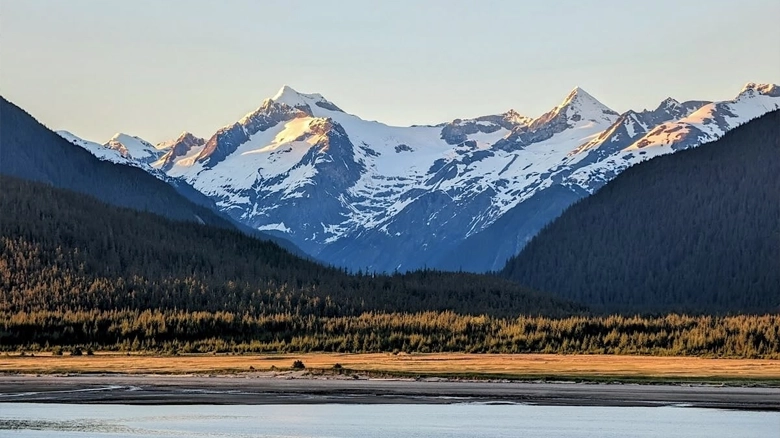
The Perks: A Tax Haven in the Tundra
Alaska is arguably the most tax-friendly state for retirees in the U.S. There is no state income tax, meaning Social Security, pensions, and 401(k) withdrawals remain untouched by the state government. Most areas have no state sales tax, and residents aged 65+ receive a property tax exemption on the first $150,000 of their home’s value.
To top it off, Alaska actually pays you to live there. The Permanent Fund Dividend (PFD)—a share of the state’s oil wealth—paid out $1,702 per person in 2025. For those with lower incomes, the Senior Benefits Program provides additional monthly cash payments of up to $250.
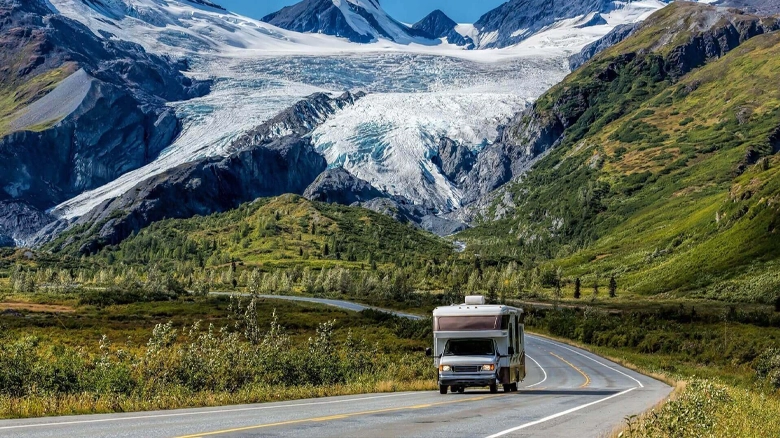
The Catch: Some of the Nation’s Highest Costs
However, the “tax-free relief” is often swallowed whole by a cost of living that sits at roughly 131% of the national average.
-
The Social Security Shortfall: Even if your mortgage is paid off, the average Alaskan retiree faces an annual deficit of $4,152 ($346 per month) when trying to live on Social Security alone.
-
The Healthcare Crisis: Alaska has the highest healthcare spending in the U.S., averaging over $13,187 per capita. Finding doctors who are accepting new Medicare patients can also be a challenge.
-
The Long-Term Care Nightmare: If you require a nursing home, a private room in Alaska costs an average of $1,099 per day—nearly four times the national average of $297.
The Verdict
Is it worth it? For those with significant savings and a love for the outdoors, Alaska offers a retirement like no other. But for those relying solely on Social Security, the Last Frontier can be a difficult place to make ends meet. The state provides safety nets like the Alaska Pioneer Homes and DenaliCare (Medicaid), but eligibility requirements are strict and housing waitlists can be long.