


The Silver Split: Why Couples Over 50 Are Trading Marriage for Freedom (and the New Role of the “Active Grandmother”)
Long-term marriage used to be the gold standard for ageing. Today, that standard is tarnishing. New research reveals that “grey divorce” is on the rise, with nearly one-third (32%) of all divorces occurring among couples over 50. As societal expectations shift, more Australians are choosing personal fulfillment over staying in unsatisfying relationships.
The Catalysts: Why Now?
The leading driver behind these splits is empty nest syndrome, cited by 48% of divorcees. When children leave, many couples realize they have grown apart, often because they married young—in their early twenties—before their core values had fully consolidated. Beyond emotional distance, financial pressures (35%) and the stress of retirement adjustments (34%) are putting unprecedented strain on older unions.
Post-divorce, the “single life” is looking increasingly attractive. 57% of seniors report being content solo, citing the benefits of additional personal space, greater independence, and peace and quiet. Notably, women (61%) are significantly more comfortable being single after 50 than men (47%).
The “Active Grandmother” Paradox
As the family structure evolves, so does the role of the matriarch. Modern grandmothers are moving away from traditional expectations, embracing a new framework of “active ageing”. They want to be involved in their grandchildren’s lives while maintaining their own active lifestyles, careers, and social circles.
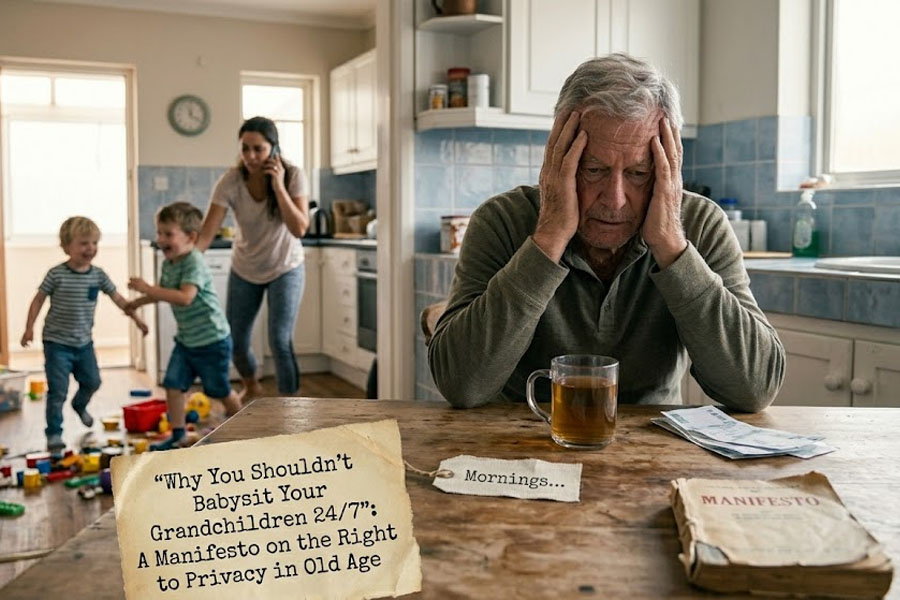
While becoming a grandmother is linked to a decline in depressive symptoms for women, the pressure to be “on call” 24/7 can lead to grandparent burnout. Some report being treated like “The Help” rather than family, performing non-stop childcare, cleaning, and cooking with little appreciation. In some regions, intensive daily childcare has even been linked to an increase in depressive symptoms, suggesting that when care is a “forced” necessity rather than a choice, it takes a heavy toll.
Navigating the Second Act: Expert Advice
To ensure your “second act” is one of joy rather than exhaustion, setting boundaries is essential:
- Communicate Clearly: Approach the conversation with adult children about childcare early. Define exactly when you are available and what responsibilities you will assume.
- Prioritize Self-Care: Remember that caregiving is a shared responsibility, not a one-sided expectation.
- Choose Discomfort Over Resentment: As researcher Brené Brown suggests, it is better to endure the brief awkwardness of saying “no” than the long-term poison of resentment.
Grey divorce and active grandparenting represent a massive shift in how we view the later years of life. By establishing clear boundaries and prioritizing personal happiness, seniors can ensure their new-found freedom leads to a more fulfilling, healthy future.