


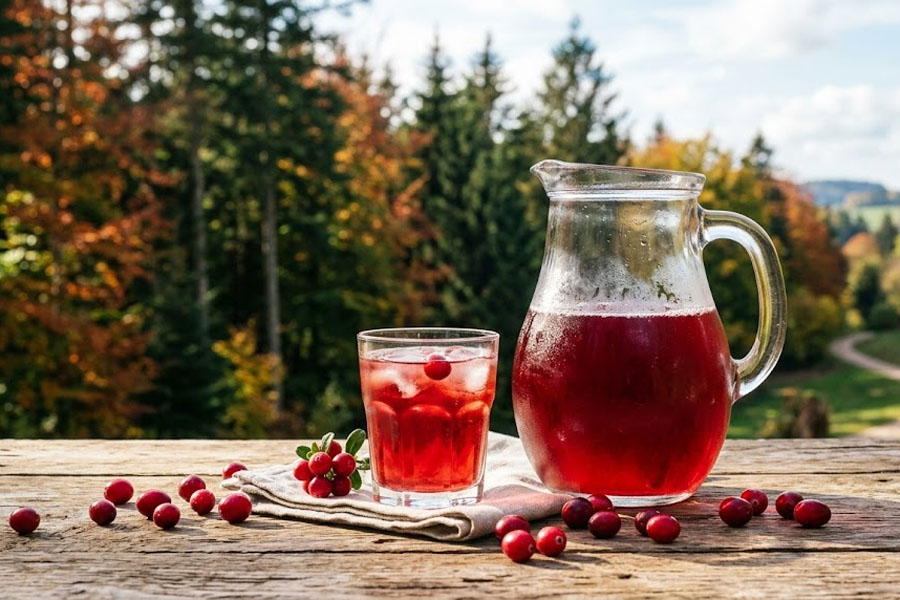
The Cranberry Revolution: New Science Reveals How Juice Transforms Vascular Health and Gut Microbiota
For decades, cranberries were regarded merely as a home remedy for urinary tract infections. However, recent clinical trials have sent shockwaves through the global scientific community by revealing a much deeper and more unexpected impact of this berry on the human body. Researchers have discovered that specific polyphenols in cranberry juice can exert an immediate effect on vascular elasticity and a long-term influence on our gut microbiome composition. We are on the verge of a paradigm shift in dietary recommendations for preventing hypertension and metabolic syndrome. This is not just a juice; it is a complex biochemical tool that literally “repairs” the vascular system from within.
Molecular Magic: Why Cranberry is More Than Just Vitamin C
The secret behind the “unexpected effect” lies not in common vitamins but in a rare combination of bioactive compounds. Cranberries are one of the richest sources of Type-A Proanthocyanidins (PACs), which are virtually non-existent in most other foods.
- Polyphenolic Cocktail: Cranberries contain a high concentration of anthocyanins and flavonols, which act as potent signaling molecules in the blood.
- Instant Vasodilation: Studies show that within just two hours of consumption, endothelial function (the ability of vessels to dilate) significantly improves.
- Oxidation Protection: Juice components prevent the oxidation of low-density lipoproteins (LDL), curbing the formation of atherosclerotic plaques.
- Prebiotic Potential: Cranberries serve as fuel for beneficial bacteria that produce short-chain fatty acids, vital for immune health.
The Cardiovascular Shield: Clinical Trial Results
In randomized controlled trials, scientists recorded a significant increase in flow-mediated dilation (FMD), a critical marker of heart health. This indicates that cranberry juice helps blood vessels remain flexible and responsive to changes in blood flow.
- Blood Pressure Management: Regular consumption of 500ml of juice daily promotes a mild reduction in systolic pressure among high-risk groups.
- Capillary Strengthening: Anthocyanins integrate into vascular cell membranes, making them more resilient and less permeable to toxins.
- Metabolic Support: Patients observed a reduction in insulin resistance, positioning cranberries as a vital element in pre-diabetic diets.
Comparative Analysis: Cranberry vs. Other Superfoods
To understand why cranberry juice stands out among blueberries or green tea, we have compiled a table comparing key bioactive substances and their vascular impact.
| Product | Polyphenol Type | Vascular Effect Speed | Impact on Microbiome |
|---|---|---|---|
| Cranberry Juice (Natural) | Type-A Proanthocyanidins | High (within 2 hours) | Stimulates Akkermansia growth |
| Blueberries | Anthocyanins | Medium | Moderate influence |
| Green Tea | Catechins (EGCG) | Low (requires accumulation) | Antibacterial effect |
| Pomegranate Juice | Ellagitannins | High | Highly dependent on genetics |
| Red Wine | Resveratrol | Low | Neutral (due to alcohol content) |
The “Second Brain” Connection: Surprising Influence on Gut Flora
The most astonishing discovery in recent years relates to how cranberries interact with our bacteria. It appears the berry can selectively inhibit pathogens without harming beneficial flora, offering new perspectives on dysbiosis treatment.
- Helicobacter Pylori Defense: The juice prevents this dangerous bacterium from adhering to the stomach lining, reducing the risk of ulcers and cancer.
- Akkermansia Muciniphila Growth: Cranberries stimulate these bacteria, which are responsible for gut mucosal integrity and protection against obesity.
- Anti-inflammatory Effect: Reduced gut inflammation directly improves skin quality and overall energy levels.
Impact on Modernity: How to Correctly Integrate Cranberries?
It is vital to understand that not every “cranberry” beverage is beneficial. Most supermarket drinks contain up to 50% sugar, which negates the positive effects of flavonoids.
- Quality Selection: Opt for pure, unsweetened juice without added sugars or artificial sweeteners.
- Dosage: To achieve therapeutic effects, 200–250ml of concentrate diluted with water is typically sufficient.
- Synergy: Cranberries work best when paired with healthy fats (e.g., a handful of nuts), which enhance the absorption of certain antioxidants.
FAQ: Frequently Asked Questions about Cranberry Juice Benefits
- Does cranberry juice really help the heart? Yes, recent research confirms it improves vascular elasticity and reduces the risk of atherosclerosis.
- Can cranberries replace antibiotics for UTIs? No, they are effective as a preventive measure but treating an acute infection requires prescribed medication.
- Is the juice safe for the stomach? Cranberry juice is highly acidic. Individuals with gastritis or ulcers should consume it with caution and consult a doctor.
- How much juice is needed for the effect? One glass (250ml) of high-quality juice per day is enough to see improvements in vascular health.
- Does the juice affect blood sugar levels? Pure, unsweetened juice has a low glycemic index and may actually improve insulin sensitivity.
- Is cranberry juice safe during pregnancy? Generally, yes. It is a great vitamin source and prevents infections, but the dosage should be discussed with a specialist.
- What is the difference between dried cranberries and juice? Juice typically has a higher concentration of bioactive polyphenols and less sugar compared to dried versions.
- Does cranberry help with weight loss? Yes, by stimulating specific gut bacteria that help regulate lipid metabolism.
- Are there any side effects? Excessive consumption may cause stomach upset or contribute to kidney stones in predisposed individuals.
- How long does the vascular effect last? The peak improvement in elasticity occurs after 2 hours and can last for 6 to 8 hours.