
Vascular Warfare: How to Lower Cholesterol Without Medication — A Molecular Biohacking Guide to Lipid Optimization
For decades, cholesterol was branded as the primary villain of cardiovascular health. However, modern nutritional science and cardiology reveal a far more nuanced reality. This organic compound is an essential building block for every cell membrane in our bodies and serves as the foundation for vital hormone synthesis. The danger lies not in cholesterol itself, but in the imbalance of its transport vehicles—low-density (LDL) and high-density (HDL) lipoproteins. Optimizing your lipid profile without drugs is not merely about cutting out fatty meats; it is a systematic reprogramming of your metabolism. In this article, we will dissect how soluble fiber, Omega-3 fatty acids, and the activation of specific enzymes can “scrub” your arteries and prevent atherosclerosis without the side effects associated with statins. We explore the transition from systemic inflammation to vascular resilience.
Molecular Lipid Mechanics: Why Diet Dictates 80% of Success
The liver produces approximately 75-80% of your body’s cholesterol; the rest comes from food. However, diet is the primary lever that determines whether your body utilizes these fats or glues them to your arterial walls .
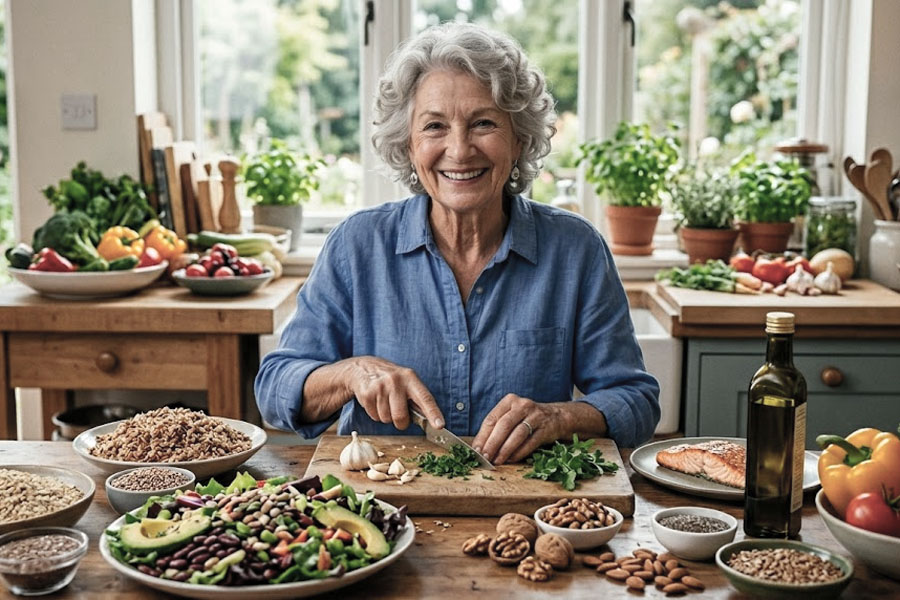
- Soluble Fiber (Beta-Glucans): Found in oats, legumes, and apples, it acts as a molecular “sponge.” It binds cholesterol-rich bile acids in the gut and flushes them out, forcing the liver to pull LDL from the blood to create new bile.
- Phytosterols and Stanols: These plant-derived compounds mirror the structure of cholesterol. By competing for absorption, they effectively reduce the amount of cholesterol entering your bloodstream.
- Monounsaturated Fats: Olive oil and avocados not only lower “bad” LDL but also shield “good” HDL from oxidative damage.
- The Trans-Fat Ban: Hydrogenated oils found in margarine and fast food are the ultimate vascular inflammatory triggers, making cholesterol plaques unstable and dangerous.
Enzymatic Re-ignition: The Role of Movement in Fat Utilization
Physical activity is more than a calorie burner; it is the activator of the enzymatic cleaning crew in your blood. In previous discussions, we highlighted the “Active Couch Potato” paradox, which is critical here—consistent micro-movements are vital for lipid health.
- LPL Enzyme Activation: Lipoprotein lipase (LPL) breaks down circulating triglycerides and LDL. It “wakes up” through the contraction of large muscle groups. Regular walking keeps LPL active, maintaining blood fluidity.
- Elevating HDL: High-intensity aerobic exercise is one of the few reliable ways to naturally boost “good” cholesterol, which shuttles excess fats back to the liver for disposal.
- Oxidative Stress Resilience: Regular training conditions the vascular lining to resist cholesterol oxidation, the primary driver of plaque formation.
Comparative Analysis: Foods and Their Impact on LDL Levels
To help design a targeted nutritional strategy, we have systematized key nutrients based on their ability to modify cholesterol fractions.
| Food / Group | Active Substance | Mechanism of Action | Expected LDL Reduction |
|---|---|---|---|
| Oat Bran / Barley | Beta-Glucan | Bile acid adsorption in the GI tract | 5–10% |
| Wild Caught Fish | Omega-3 (EPA & DHA) | Triglyceride and inflammation reduction | Moderate (Vascular protection) |
| Almonds and Walnuts | L-Arginine, Fiber | Endothelial function improvement | 7–12% |
| Soy Products | Isoflavones | Inhibition of liver cholesterol synthesis | 3–5% |
| Garlic Extract | Allicin | Plaque adhesion prevention | Subtle but significant |
Lifestyle Synergy: Sleep, Stress, and Hidden Factors
Cholesterol levels often spike as a protective response to chronic inflammation and stress. When the body is in a constant “fight or flight” state, the liver releases extra lipids to fuel potential cell repair.
- Sleep Hygiene: Sleep deprivation disrupts lipid metabolism and raises ghrelin, leading to carb cravings and increased blood fats.
- Cortisol Management: Chronic stress stimulates triglyceride production. Mindfulness and yoga have measurable, positive impacts on blood test results.
- Hydration Strategy: Adequate water intake is essential for liver and gallbladder function—the primary organs responsible for cholesterol elimination.
Modern Impact: Cholesterol as a Biohacking Metric
In the 21st century, we are moving from “curing disease” to “optimizing health.” Cholesterol levels are no longer just a diagnosis but a vital metric for monitoring lifestyle efficiency.
- Personalized Nutrition: Genetic testing (e.g., APOE gene) can determine whether a low-fat or low-carb approach will be more effective for your specific biology.
- Wearable Technology: Modern gadgets tracking heart rate variability (HRV) indirectly signal the state of vascular tone and recovery.
- Functional Foods: The rise of sterol-fortified foods makes cholesterol management accessible without radical shifts in traditional dietary habits.
FAQ: Frequently Asked Questions about Lowering Cholesterol Naturally
- Can I eat eggs if I have high cholesterol? Yes, for most people, dietary cholesterol in eggs has a minimal impact on blood levels compared to saturated fats.
- How long does it take to see results? Initial changes in blood work are usually visible after 3 to 6 weeks of strict adherence to a new regime.
- Does red wine actually help? In moderation, antioxidants like resveratrol may protect vessels, but alcohol also raises triglycerides, making it a double-edged sword.
- Does oatmeal really work? Yes, consuming 3 grams of soluble fiber daily (about one bowl of oats) is scientifically proven to lower cholesterol.
- Why is my cholesterol high even though I’m thin? It could be due to genetics (familial hypercholesterolemia), chronic stress, or high levels of internal inflammation.
- Should I cut out all fats? No. Your body requires healthy fats (Omega-3s, monounsaturated fats) for hormone production and brain health.
- What exercise is best for cholesterol? A combination of strength training and aerobic activity (swimming, running, brisk walking) provides the best results.
- Does coffee affect cholesterol? Unfiltered coffee (French press, Turkish) contains cafestol and kahweol, which can raise lipid levels in some individuals.
- Can garlic replace medication? No, garlic is a supportive tool. It improves blood flow but does not block cholesterol synthesis as powerfully as statins.
- Should I check my cholesterol if I feel fine? Absolutely. High cholesterol is a “silent killer” with no symptoms; annual check-ups are essential after age 30.