


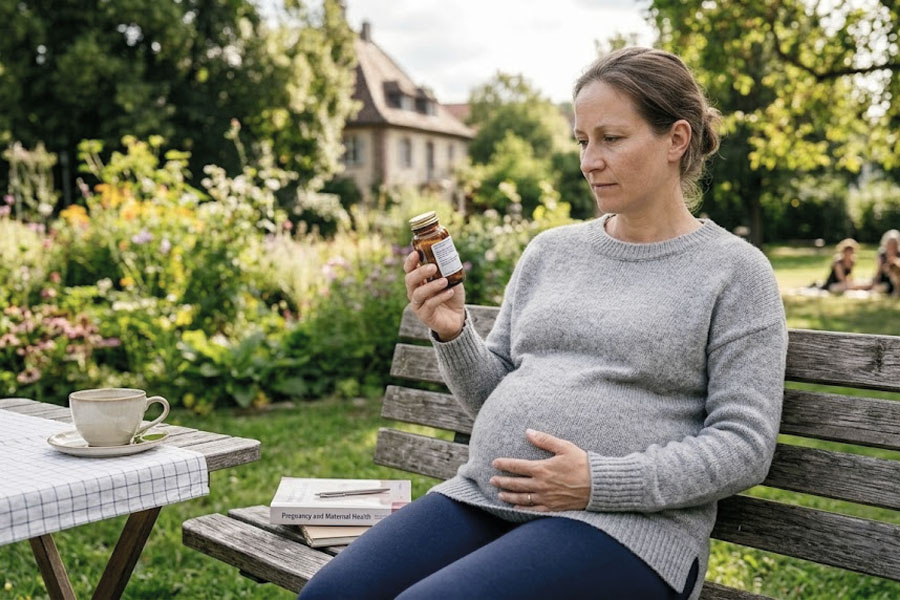
Antidepressants and Pregnancy: Navigating ADHD and Autism Risks for Future Parents
For many expecting parents, the decision to continue or start psychiatric medication during pregnancy is fraught with anxiety. With mental health awareness on the rise, so is the scrutiny of how these medications affect fetal development. Specifically, concerns regarding Autism Spectrum Disorder (ASD) and Attention-Deficit/Hyperactivity Disorder (ADHD) have dominated recent medical discussions. This article delves deep into the current scientific consensus to provide clarity beyond the headlines.
The Evolution of the Debate
The core of the concern lies in Selective Serotonin Reuptake Inhibitors (SSRIs). Since serotonin is a key signaling molecule in brain development, the hypothesis is that altering its levels in the womb could influence neurodevelopmental outcomes.
Key Biological Considerations
-
- Placental Transfer: Most antidepressants cross the placenta, reaching the developing fetus.
- Neurogenesis: Serotonin levels influence how neurons migrate and connect during gestation.
- Maternal Well-being: A mother’s biological stress response also shapes the intrauterine environment.
Analyzing the Risk: Correlation vs. Causation
Early observational studies suggested a link between prenatal SSRI exposure and an increased risk of autism. However, more recent and robust studies—using “sibling comparison” methods—have largely debunked a direct causal link. These studies compare children from the same mother, one exposed to medication and one not, to account for shared genetics.
Confounding by Indication
What researchers often find is “confounding by indication.” This means the underlying maternal condition (depression or anxiety) and the associated genetic factors are more likely responsible for the increased neurodevelopmental risks than the medication itself.
| Condition | Relative Risk (Adjusted) | Primary Contributing Factor |
|---|---|---|
| Autism (ASD) | Negligible to Mild | Maternal Genetics |
| ADHD | Low | Environmental/Genetic factors |
| Motor Skills Delay | Very Low | Often resolves by age 3 |
The Danger of Untreated Depression
Choosing to stop medication is not a risk-free choice. Untreated maternal depression is linked to significant complications that can affect a child’s long-term health.
-
-
- Cortisol Impact: High maternal stress increases fetal exposure to cortisol, potentially altering brain structure.
- Lifestyle Risks: Severe depression may lead to poor nutrition, lack of prenatal care, or substance use.
- Postpartum Risks: Untreated prenatal depression is the strongest predictor of postpartum depression, affecting infant bonding.
-
Actionable Advice for Expecting Parents
Navigating this journey requires a balanced approach focused on the health of both the parent and the child.
-
-
- Consult a Specialist: Seek a reproductive psychiatrist who understands the latest safety data.
- Don’t Cold Turkey: Stopping antidepressants abruptly can cause “discontinuation syndrome” and severe relapse.
- Explore Non-Drug Options: For mild to moderate cases, Cognitive Behavioral Therapy (CBT) can be highly effective.
-
FAQ Section
-
-
- Do antidepressants cause autism? Current evidence suggests they do not cause autism; shared genetics are the primary factor.
- Which antidepressant is safest during pregnancy? Sertraline (Zoloft) is often preferred due to extensive safety data.
- Can I breastfeed while taking SSRIs? Yes, most are considered safe with very low levels passing into breast milk.
- Is the risk higher in the first trimester? The first trimester is critical for organ development, but brain development continues throughout.
- Should I lower my dose? Dosage should be the “minimum effective dose” determined by your doctor.
- What if I planned my pregnancy? Discuss a “pre-conception plan” to stabilize your mental health before becoming pregnant.
- Are there long-term behavioral effects? Most studies show that by school age, children exposed to SSRIs are developmentally comparable to peers.
- How common is antidepressant use in pregnancy? Roughly 1 in 10 pregnant women in the US are prescribed antidepressants.
-