


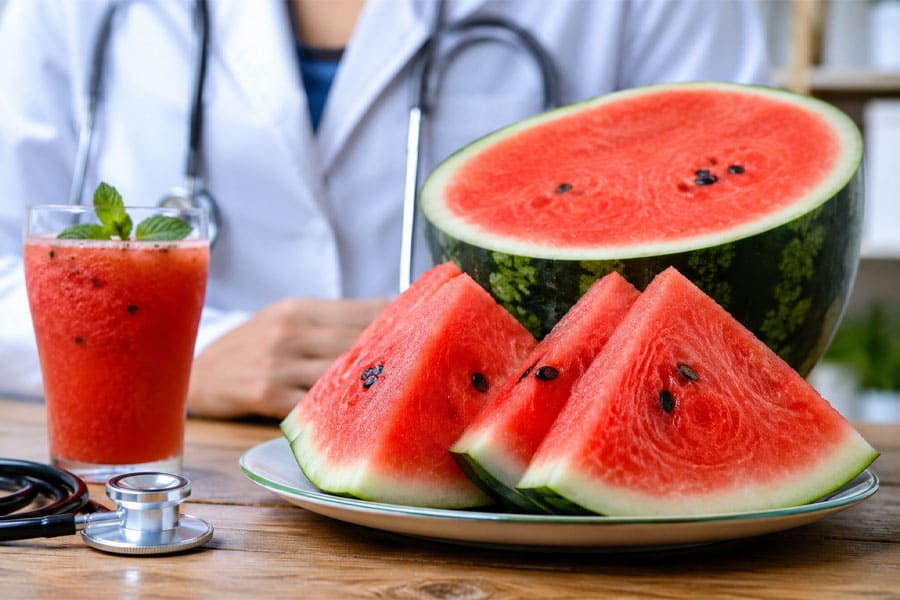
Watermelon Secrets: New Vascular Health Benefits
Research published in the journal Nutrients reveals a new perspective on the bioactive compounds of this common summer fruit. For individuals over 55, watermelon is shifting from a simple dessert to a functional food for cardiovascular support. Scientists are primarily focused on the amino acid L-citrulline and its impact on arterial stiffness.
Bioactive Composition and Cellular Defense
Watermelon is a unique source of phytochemicals that work synergistically to protect the body from age-related changes. Unlike many other fruits, its flesh and rind contain concentrations of substances critical for nitrogen metabolism.
- L-citrulline: A precursor to L-arginine, facilitating vasodilation.
- Lycopene: A powerful antioxidant, found in higher concentrations in watermelon than in tomatoes.
- Vitamin C: Essential for collagen synthesis and strengthening vascular walls.
- Potassium: A key mineral for controlling water-salt balance and heart rhythm.
Mechanism of Blood Pressure Reduction
The unexpected benefit of watermelon lies in its ability to lower systolic blood pressure and reduce aortic load. This occurs through the stimulation of nitric oxide production, which relaxes the smooth muscles of the blood vessels.
- Improved endothelial function due to the influx of citrulline.
- Reduction in pulse wave velocity, indicating increased arterial elasticity.
- Protection of low-density lipoproteins from oxidation thanks to lycopene.
- Lowering of systemic inflammation often associated with metabolic syndrome.
Hydration and Muscle Tone Maintenance
For the 55+ age group, maintaining fluid balance is often a challenge due to a decreased sense of thirst. Watermelon consists of 92% structured water enriched with electrolytes, making it an ideal tool against dehydration.
- Prevention of muscle cramps due to magnesium and potassium content.
- Acceleration of recovery after physical activities such as walking or swimming.
- Natural kidney cleansing through a mild diuretic effect.
- Support of cognitive functions through adequate brain hydration levels.
Comparison of Key Watermelon Nutrients and Their Impact
|
Nutrient
|
Target Organ / System
|
Expected Effect
|
|---|---|---|
|
L-citrulline
|
Arteries and Veins
|
Lowering of blood pressure
|
|
Lycopene
|
Eyes and Skin
|
Protection against UV radiation and degeneration
|
|
Vitamin A
|
Immune System
|
Increased resistance to infections
|
|
Cucurbitacin E
|
Joints and Tissues
|
Reduction of pain during inflammation
|
Questions and Answers (FAQ)
- Is watermelon safe for Type 2 diabetics? Watermelon has a high glycemic index but a low glycemic load. Seniors are advised to consume it in moderation (150-200g) during the first half of the day.
- Does watermelon help with hypertension? Yes, due to citrulline, it promotes the relaxation of blood vessels, which can complement primary therapy.
- Are watermelon seeds edible? The seeds are rich in magnesium, zinc, and protein. When dried, they serve as a healthy dietary supplement.
- What is the best time of day to eat watermelon? Ideally, as a snack between breakfast and lunch to avoid nighttime bathroom visits due to its diuretic effect.
- Does watermelon affect cholesterol levels? The lycopene in watermelon prevents the oxidation of “bad” cholesterol, reducing the risk of plaque formation.
- Is there any benefit in the white part of the rind? The white part contains the highest concentration of the beneficial L-citrulline.
- Does watermelon help with edema? Yes, it helps remove excess fluid, but those with severe kidney failure should consult a doctor first.
- Can watermelon replace sports drinks after exercise? Watermelon juice is excellent for restoring electrolyte balance and reducing muscle soreness.