

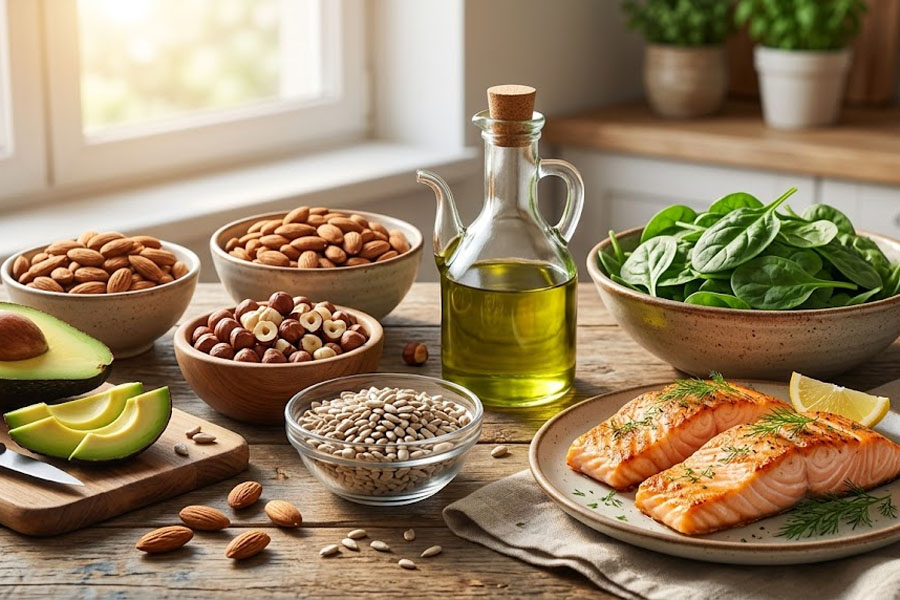
Beyond Almonds: The Ultimate Guide to Superfoods with Record-Breaking Vitamin E Content
Vitamin E, or alpha-tocopherol, has long been heralded as the “gold standard” of antioxidant protection. While many consider almonds to be the primary source of this vital nutrient, modern nutritional research reveals far more impressive facts. Understanding which foods actually lead the rankings is critical for maintaining skin health, vision, and a robust immune barrier in today’s high-stress environments [2, 3].
The Biological Role of Vitamin E: Why Is It Essential?
Vitamin E is not a single substance but a group of fat-soluble compounds. The primary function of tocopherol is to protect cell membranes from oxidative damage. Without sufficient amounts, cells become vulnerable to free radicals, accelerating aging processes and triggering chronic inflammation [2, 3].
- Antioxidant Shield: Neutralizes reactive oxygen species, preventing DNA damage.
- Cognitive Health: Studies link adequate Vitamin E levels to a slower decline in mental faculties among the elderly.
- Vision Support: Protects retinal cells from age-related degenerative changes.
- Tissue Regeneration: Accelerates the healing of micro-damage to the skin and supports its elasticity.
Food Rankings: Which Products Outperform Almonds?
For reference: one serving of almonds (about 28 grams) contains approximately 7.3 mg of Vitamin E. This is an impressive figure, covering nearly half of the daily requirement, but several foods offer significantly higher efficiency [2].
1. Wheat Germ Oil — The Absolute Champion
- A single tablespoon of this oil contains up to 20 mg of Vitamin E.
- This represents over 100% of the recommended daily allowance (RDA) for an adult.
- It is ideal for dressing prepared meals as it cannot withstand high-heat cooking.
2. Sunflower Seeds
- In 30 grams of hulled seeds, there are approximately 7.4 mg of tocopherol.
- Beyond Vitamin E, they are rich in selenium, which synergistically enhances the antioxidant’s effect.
- An easy snack that can be integrated into salads, yogurts, or baked goods.
3. Mamey Sapote
- This exotic fruit contains a staggering 18 mg of Vitamin E per single fruit.
- It features a creamy texture and sweet flavor, reminiscent of a pumpkin-apricot blend.
- It is a rare example of a high fat-soluble vitamin content in a low-fat food source.
Nutrient Comparison Table
To provide a systematic understanding of dietary value, we have compiled a table based on factual nutritional data [1, 2].
| Food Item | Quantity (Serving) | Vitamin E (mg) | % of Daily Value (15 mg) |
|---|---|---|---|
| Wheat Germ Oil | 1 tbsp | 20.3 | 135% |
| Mamey Sapote | 1 fruit | 18.1 | 120% |
| Sunflower Seeds | 30 g | 7.4 | 49% |
| Almonds | 28 g | 7.3 | 48% |
| Hazelnut Oil | 1 tbsp | 6.4 | 43% |
| Pine Nuts | 30 g | 2.7 | 18% |
Absorption Mechanisms: How to Maximize the Benefits?
Vitamin E is fat-soluble, which dictates specific consumption rules. If you consume Vitamin E-rich foods without accompanying fats, most of the nutrient will simply pass through the body unabsorbed [2].
- Pair with Healthy Fats: Always add olive oil or avocado to vegetables rich in tocopherol, such as spinach or Swiss chard.
- Avoid Overheating: High temperatures destroy the chemical structure of Vitamin E. It is best to use cold-pressed oils.
- Protect from Light: Store nuts and oils in dark, airtight containers, as light triggers lipid oxidation and nutrient degradation.
Impact on Longevity and Modern Medicine
Modern medicine views Vitamin E not merely as a supplement but as a component of integrated therapy for cardiovascular health. Tocopherol’s ability to prevent the oxidation of LDL (bad cholesterol) makes it a vital ally in preventing atherosclerosis [2, 3].
- Prevention of blood clots by improving blood fluidity.
- Reduction of inflammatory markers in muscle tissue following intense physical exertion.
- Protection of nerve fibers, which is critical for patients with diabetic neuropathy.
FAQ: Frequently Asked Questions about Vitamin E
- What is the RDA for Vitamin E? For most adults, the recommended daily allowance is 15 mg (22.4 IU).
- Can you overdose on Vitamin E from food? It is nearly impossible to reach toxic levels through regular food; the risk lies in excessive supplement intake.
- Is Vitamin E really beneficial for skin? Yes, it strengthens the lipid barrier and helps retain moisture while shielding against UV damage.
- Does it help with hair loss? Indirectly, yes, by improving scalp microcirculation and reducing oxidative stress in follicles.
- Which vegetables have the most Vitamin E? Spinach, broccoli, and red bell peppers are among the top vegetable sources.
- Does freezing destroy Vitamin E? Freezing preserves most of the tocopherol, unlike frying or canning.
- Should I take Vitamin E supplements? Generally, a balanced diet is sufficient; supplements should only be taken under medical supervision.
- How do Vitamins C and E interact? They work in synergy: Vitamin C helps “regenerate” oxidized Vitamin E, returning it to its active state.
- Does smoking affect Vitamin E levels? Yes, smokers require higher antioxidant intake due to constant oxidative stress from tobacco.
- What is the most affordable source? Sunflower seeds are the most cost-effective and efficient source of Vitamin E available.