

The Potato Code: How the Ancient Incan Diet Rewrote Andean DNA Over 7,000 Years
The history of humanity is not only defined by wars and geographical discoveries but also by an invisible struggle for survival at the molecular level. A recent large-scale study of the genomes of Peru’s indigenous peoples has led to a sensational conclusion: the potato, which became the dietary foundation in the high-altitude Andean regions over 7,000 years ago, acted as a powerful factor of natural selection. Scientists have discovered that descendants of the region’s ancient civilizations developed unique genetic mechanisms allowing their bodies to efficiently process starch under extreme high-altitude conditions. This discovery proves that we are literally what our ancestors ate for hundreds of generations.
Evolution on a Plate: Why the Potato Became a Genomic Engine
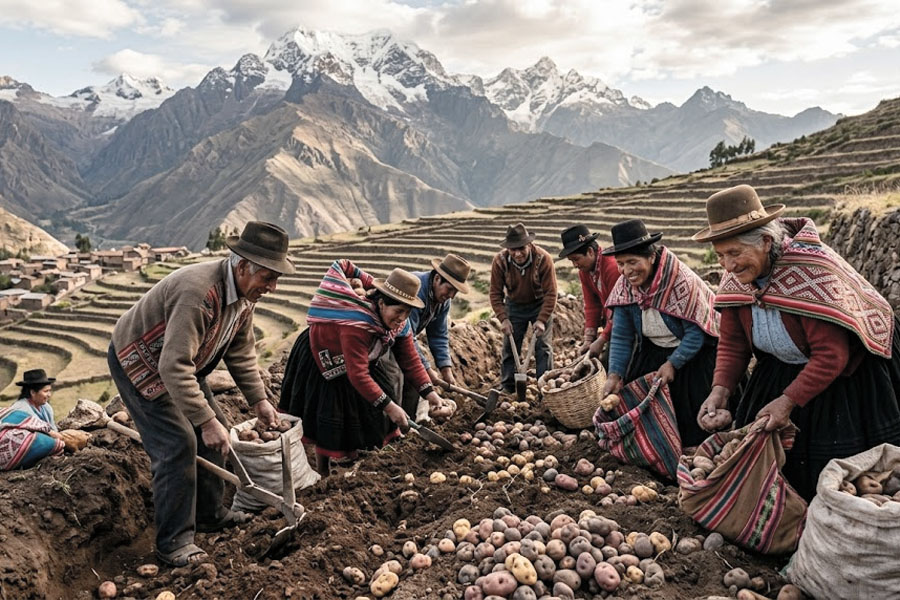
In the Andes, where thin air and harsh climates limit biodiversity, the potato was the only stable source of calories. The transition from foraging to agriculture forced the body to adapt to a diet rich in complex carbohydrates. This led to selective pressure on genes responsible for starch breakdown.
- The MGAM Gene (Maltase-glucoamylase): Researchers identified specific variations of this gene in Peruvians that facilitate more efficient breakdown of complex potato sugars in the small intestine.
- Glycemic Load Adaptation: Genetic changes allowed Incan ancestors to avoid sharp blood sugar spikes, which was critical for a diet consisting of 80% tubers.
- Energy Efficiency: In hypoxic conditions (oxygen deficiency), glucose is the preferred fuel for the brain and muscles; optimizing its extraction from starch became a key survival strategy in the mountains.
- The Amylase Link: Unlike Europeans, who saw an increase in salivary amylase gene copies, Andean people adapted by modifying intestinal enzymes.
Chronology of the Genetic Shift: From Wild Tubers to the Incan Empire
The process of potato domestication occurred alongside the biological transformation of the people themselves. Ancient DNA research shows that the genetic marker for starch adaptation began dominating the population approximately 3,500 years ago, coinciding with a sharp demographic boom in the region.
| Period | Livelihood Type | Role of the Potato | Genetic Consequences |
|---|---|---|---|
| 7,000 — 5,000 years ago | Hunter-Gatherers | Wild species foraging | Onset of starch metabolism gene selection |
| 5,000 — 3,000 years ago | Early Agriculture | Domestication of species | Fixation of MGAM gene mutations |
| 3,000 years ago — 15th Century | Incan Empire | Staple food (Chuño) | Full metabolic population adaptation |
| 16th Century — Present | Post-Colonial Period | Global Export | Resistance to traditional metabolic diseases |
Survival Mechanisms: How Starch Helped Defeat Altitude Sickness
Life above 3,000 meters requires immense energy expenditure. A starchy diet provided a steady influx of glycogen. The study emphasizes that genetic adaptation to potatoes went hand-in-hand with adaptation to hypoxia. This is a complex biological armor forged by nature and agriculture over millennia.
- Gene Synergy: Carbohydrate metabolism genes interact with genes regulating blood hemoglobin levels.
- Toxin Defense: Ancient Andean peoples learned to neutralize glycoalkaloids (wild potato toxins) not only using clay but also through the evolution of hepatic enzymes.
- Microbiome: Alongside human DNA, the composition of gut bacteria specialized in fermenting complex plant fibers also transformed.
Modern Impact: Lessons from Peru for Global Medicine
Why does this matter today? Understanding how ancestral diets shaped our genetics opens doors for personalized nutrition. For Andean residents, a modern “Western” diet with refined sugars is more dangerous because their metabolism is fine-tuned for the slow absorption of complex starches.
- Diabetes Prevention: Studying the MGAM gene can aid in creating drugs that regulate carbohydrate absorption in people with metabolic syndrome.
- Biodiversity Conservation: The genetic link between the people and the potato underscores the importance of preserving over 4,000 varieties of Peruvian potatoes.
- Evolutionary Model: This is one of the most striking examples of how cultural practices (agriculture) can direct the biological evolution of a species.
FAQ: Frequently Asked Questions about Andean Evolution
- Is it true that potatoes changed the DNA of Peruvians? Yes, centuries of reliance on this staple led to the selection of genes that promote better starch digestion.
- Which specific gene was altered? Major changes occurred in the MGAM gene, responsible for maltose breakdown in the gut.
- How long did this process take? Researchers believe the primary genetic shifts occurred within the last 7,000 years.
- Does this affect the health of modern Peruvians? Yes, their bodies are adapted to complex carbohydrates but may be vulnerable to refined sugars.
- Is the potato linked to longevity in the Andes? The potato provided stable energy, allowing civilizations to thrive in extreme conditions.
- Are there similar changes in Europeans? Europeans have a more developed salivary amylase (AMY1) gene mechanism linked to grain consumption.
- Does genetics depend on altitude? In the Andes, dietary adaptation occurred parallel to adaptation for low oxygen levels.
- Why is this discovery important for science? It confirms the theory of gene-culture co-evolution in humans.
- Can this knowledge help treat obesity? Yes, understanding starch metabolism enzymes is vital for developing targeted diets and medications.
- Do Andean people still eat potatoes as often as before? Despite globalization, the potato remains a central element of their culture and diet.