


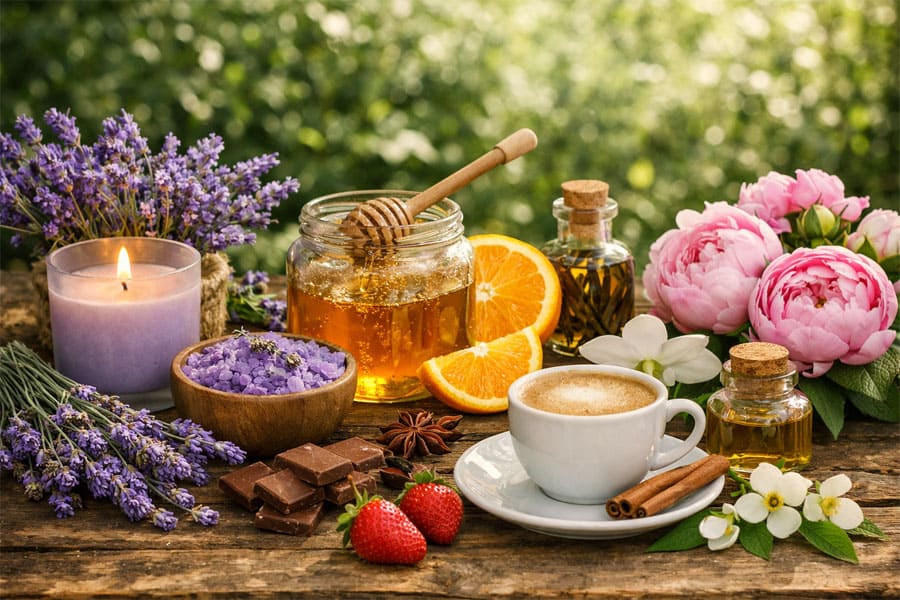
Psychologists explained which scents make people happier
Creating comfort in a home begins not with furniture, but with subtle scents that determine our well-being. Psychologists argue that managing scents in everyday life is an effective way to make reality more predictable and pleasant. When we are in a place that smells good, our mood improves, we begin to think more creatively, and we find it easier to communicate with others.
The Foundation of Freshness: The Basis of Your Well-being
Before filling your home with exquisite fragrances, it is necessary to create a base — the smell of cleanliness and freshness. Freshness is a sensory experience that we recognize instantly but find difficult to describe in words. For older adults, maintaining freshness in the home is not just a matter of hygiene, but a guarantee of a clear mind.
To create the perfect foundation, follow these simple rules:
- Ventilate rooms regularly whenever possible.
- Change filters in ventilation and air conditioning systems on time.
- Do not forget about wet cleaning and dust removal, which eliminate sources of “heavy” air.
Unique Fact: Fresh air itself is a powerful tool for improving problem-solving skills. It can be compared to a blank canvas on which you then “paint” your mood using other scents. For example, in a home that is clean and cool, even ordinary tea seems tastier, and conversation more heartfelt.
Scents for Calmness and Trust
Scientific studies confirm that certain natural smells can physiologically reduce stress levels. If you feel anxious or worried, pay attention to lavender and citrus.
- Lavender: This scent is rightfully considered the “gold standard” of relaxation. Interestingly, the smell of lavender not only calms but also makes people more trusting of each other.
- Orange: The smell of fresh oranges effectively reduces anxiety levels and helps you tune into a positive wave.
Real-life Example: Using lavender soap or a sachet in a linen closet turns ordinary sleep into an aromatherapy session. This is especially important for people aged 55+, as the quality of rest directly affects how they feel the next day. Just as a soft blanket warms the body, these scents “warm” the psyche.
Energy and Productivity at Any Age
If you need to cheer up or focus on tasks, “active” scents come to the rescue. Psychologists highlight several key smells for increasing vitality:
- Peppermint and Rosemary: These scents make us more alert and attentive.
- Lemon: The smell of lemon in a home office is directly linked to improved professional performance.
- Grapefruit: In addition to its general invigorating effect, grapefruit has an amazing property — when a man smells this scent on a woman, he tends to estimate her age as an average of five years younger than she actually is.
Practical Conclusion: If you plan to engage in crafts, reading, or working at a computer, place an aroma lamp with lemon oil nearby. This will act as an “invisible assistant,” helping you maintain concentration longer and not feel tired.
The Power of Memories and Holidays
Scents have a unique ability to instantly transport us to happy moments of the past. This is because the areas of the brain responsible for smell and memory are closely intertwined.
- Floral Scents: Worldwide, people tend to find the scents of flowers pleasant, making them a universal tool for lifting the mood.
- Vanilla and Cinnamon: These scents are often associated with home baking and holidays. The smell of cinnamon rolls directly stimulates creative abilities.
- Jasmine: If you have pleasant memories associated with jasmine (for example, it grew in your childhood garden), its scent will invariably give you a sense of security.
Comparison: The smell of holiday baking acts on the brain just like an old favorite song — it awakens warmth and joy accumulated over the years in the soul.
|
Aroma
|
Main Effect
|
Recommended Use Area
|
|---|---|---|
|
Lavender
|
Relaxation and Trust
|
Bedroom, Living room
|
|
Lemon
|
Productivity Boost
|
Home office, Kitchen
|
|
Cinnamon
|
Creative Spark
|
Kitchen, Lounge area
|
|
Peppermint
|
Alertness and Focus
|
Workspace, Hallway
|
Conclusions
- Freshness is an essential foundation for any “smellscaped” aroma in the home.
- Lavender and orange are best suited for reducing anxiety.
- Productivity and focus can be enhanced with lemon, peppermint, and rosemary.
- Personal associations with scents (e.g., jasmine or pine) are a powerful resource for instant mood improvement.
- Moderation is key: the scent in the home should be barely noticeable to avoid discomfort.
FAQ
- Which scent is best for stress? Psychologists recommend using the scent of lavender or orange. Lavender has a proven relaxing effect, while orange helps quickly reduce anxiety levels.
- Can a scent make you more productive? Yes, the scents of lemon, peppermint, and rosemary contribute to better concentration. Lemon is especially effective for improving professional results.
- Why is vanilla considered a “happy” scent? For many cultures, vanilla is associated with holiday baking and pleasant traditions. These positive associations automatically trigger the release of joy hormones.
- Is it true that grapefruit affects age perception? According to research, men tend to perceive a woman as 5 years younger if they smell grapefruit on her.
- How does the smell of cinnamon affect the brain? The smell of cinnamon and sugar is directly linked to an improvement in creative performance. This is a great reason to treat yourself and your loved ones to fresh pastries more often.
- What is a “freshness base”? It is the absence of heavy odors, achieved through ventilation, filter cleaning, and general cleaning. Without this foundation, other aromas will not have the desired effect.
- How to avoid over-scenting the house? The fragrance should be subtle. If a person notices the smell only after you draw their attention to it, then the dosage is perfect.