

Adventure Awaits: A Guide to Wild Tourism in Old Age for American Seniors
The golden years are often depicted as a time for quiet reflection, golf courses, and gentle cruises. However, a growing number of Americans are rewriting this narrative, proving that the call of the wild does not fade with age. Wild tourism in old age is a flourishing trend, offering retirees the chance to reconnect with nature, challenge their physical limits, and experience the raw beauty of the American wilderness. Whether it is trekking through the rugged terrain of the Alaskan backcountry or navigating the desert vistas of Utah, adventure is accessible to those who prepare correctly.
The Rise of Wild Tourism in Old Age
In recent years, the concept of travel for seniors has shifted from passive sightseeing to active engagement. Wild tourism in old age provides a unique blend of physical exercise and mental stimulation. According to recent surveys, nearly 40 percent of travelers over the age of 65 are seeking ‘adventure’ or ‘off-the-beaten-path’ experiences. This shift is driven by a generation that values health, longevity, and meaningful experiences over material possessions.
“Nature is not a place to visit. It is home.” – This sentiment resonates deeply with those engaging in wild tourism in old age, as they seek to find solace and strength in the great outdoors.
Top US Destinations for Wild Tourism in Old Age
The United States offers some of the most diverse and accessible wilderness areas in the world. When considering wild tourism in old age, choosing the right location is paramount. Here are top-rated destinations for senior adventurers:
1. Yellowstone National Park, Wyoming
Yellowstone is a crown jewel for any explorer. For seniors, it offers a mix of boardwalk-accessible geothermal wonders and rugged backcountry trails. Exploring the Lamar Valley at dawn to spot wolves and grizzly bears is a highlight of wild tourism in old age. Remember to stay at least 100 yards away from bears and wolves for safety.
2. Sedona, Arizona
Known for its stunning red rock formations and ‘vortexes,’ Sedona offers hiking trails that vary in difficulty. Seniors can enjoy the 4.2-mile loop of the Devil’s Bridge or more secluded paths in the Coconino National Forest. The dry heat is manageable if you start early and carry at least a gallon of water per person.
3. The Kenai Peninsula, Alaska
For the truly bold, Alaska represents the pinnacle of wild tourism in old age. Kayaking among glaciers in Kenai Fjords National Park or taking a guided bush plane trip into the interior allows for deep wilderness immersion without the strain of a 20-mile hike with a 50-pound pack.
Essential Preparation and Safety for Senior Adventurers
Participating in wild tourism in old age requires a different level of preparation than a weekend at a resort. Safety and physical readiness are the cornerstones of a successful trip.
- Physical Conditioning: Start a walking or hiking program at least 3 months before your trip. Gradually increase your mileage and elevation gain.
- Medical Consultation: Always consult with your primary care physician. Ensure your heart health and joint mobility are up to the demands of the wilderness.
- Navigation Tools: While paper maps are essential, modern GPS devices like the Garmin inReach are vital for wild tourism in old age, allowing for emergency SOS signals even in areas without cell service.
Managing Health on the Trail
When engaging in wild tourism in old age, managing chronic conditions like arthritis or hypertension is key. Carry a robust first-aid kit that includes extra prescription medications and electrolyte tablets to prevent dehydration. In the US, remember that help in remote areas can be hours or even days away; always share your itinerary with a ‘safety contact’ back home.
Gear Guide: Equipping for Wild Tourism in Old Age
The right gear can make or break an experience. For those practicing wild tourism in old age, the focus should be on lightweight, high-performance equipment that reduces strain on the body.
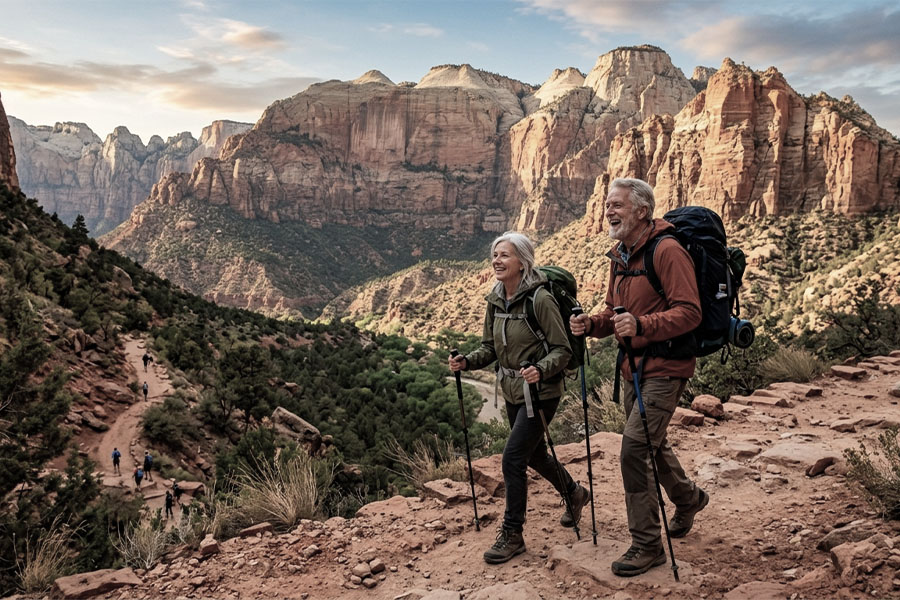
- Trekking Poles: These are non-negotiable for wild tourism in old age. They reduce the impact on knees by up to 25 percent and provide essential stability on uneven terrain.
- Lightweight Footwear: Move away from heavy leather boots. Modern trail runners or lightweight hiking shoes with Vibram soles offer excellent grip with much less weight.
- Layering System: Stick to moisture-wicking synthetics or Merino wool. Avoid cotton, as it retains moisture and can lead to hypothermia even in mild temperatures.
The Financial Aspect: Budgeting for Adventure
Engaging in wild tourism in old age can be cost-effective if planned correctly. The ‘America the Beautiful’ Senior Pass is a must-have for US citizens aged 62 or older. For a one-time fee of $80, it provides lifetime access to more than 2,000 federal recreation sites, including all National Parks. This significantly reduces the cost of wild tourism in old age over the long term.
Conclusion
Embracing wild tourism in old age is about more than just seeing new places; it is about reclaiming a sense of agency and wonder. The American wilderness is vast and welcoming to those who approach it with respect and preparation. By choosing the right destinations, investing in quality gear, and prioritizing safety, seniors can enjoy the profound benefits of nature for many years to come.
Frequently Asked Questions (FAQ)
-
Is wild tourism in old age safe for people with heart conditions?
It can be, provided you have clear medical clearance from your doctor and choose activities that match your fitness level. Always carry a communication device and avoid extreme altitudes if you have cardiovascular concerns.
-
What is the best time of year for seniors to visit National Parks?
The ‘shoulder seasons’ (late spring and early fall) are ideal for wild tourism in old age. The weather is milder, and the crowds are smaller, making for a more peaceful and manageable experience.
-
Does Medicare cover injuries sustained during wild tourism?
Medicare usually covers medically necessary services within the US. However, it does not typically cover search and rescue fees or specialized medical evacuation. It is highly recommended to purchase supplemental travel insurance for wild tourism in old age.
-
Are there guided tours specifically for seniors?
Yes, many companies specialize in ‘soft adventure’ or senior-focused wild tourism in old age. These tours often provide gear, professional guides, and paced itineraries to ensure everyone can enjoy the wilderness safely.